Circulation Support for Sluggish Lymphatic Function
Manual Lymphatic Massage in Waterville for reduced circulation and fluid retention affecting tissue health
Maine's long winters and reduced activity levels during cold months often compromise lymphatic circulation, leading to fluid retention, sluggish immune response, and tissue congestion that affects how your body clears metabolic waste. Manual lymphatic massage addresses these concerns through extremely light pressure techniques that encourage lymphatic fluid movement and support blood flow to tissues that aren't receiving adequate circulation. Bekkah @ People's & Blue Rose Wellness provides manual lymphatic massage in Waterville using directional techniques trained specifically for lymphatic system function, applied with pressure so light it feels almost imperceptible compared to traditional massage.
The lymphatic system relies on muscle movement and external pressure to circulate fluid, since it lacks the heart's pumping mechanism. Manual lymphatic massage uses directional strokes that follow lymphatic pathways toward major drainage points, encouraging fluid that has accumulated in tissues to move through the system. The technique involves rhythmic, circular motions applied with fingertips in a specific sequence that opens lymph nodes before moving fluid toward them.
Arrange a consultation to discuss whether lymphatic massage is appropriate for your circulation concerns.
How Lymphatic Drainage Techniques Address Fluid Movement
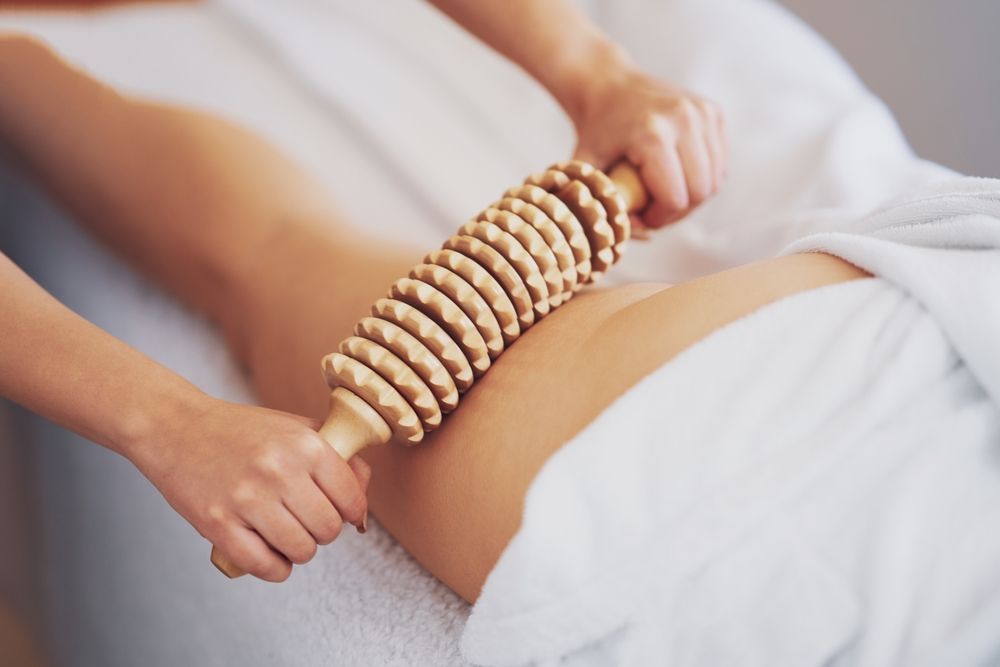
True lymphatic drainage requires understanding of lymphatic vessel location and direction of flow, since applying pressure in the wrong direction or with too much force can collapse delicate lymphatic vessels rather than encourage drainage. The practitioner begins by opening major lymph node clusters in the neck, underarms, and groin before working on the limbs or torso, creating a pathway for fluid to move. Each stroke is repeated several times in the same location with a specific rhythm—push, hold, release—before moving to the next area, progressing gradually from proximal to distal areas.
Following a manual lymphatic massage session, you may notice reduced puffiness in areas where fluid had accumulated, a lighter feeling in limbs that felt heavy or congested, and improved tissue tone in areas that appeared swollen. Some people report feeling tired immediately after the session as the body processes waste products that have been mobilized, followed by increased energy once the system clears. Skin texture often appears smoother and less puffy in areas where fluid retention was visible.
The technique is not appropriate for everyone—active infections, blood clots, congestive heart failure, and certain other conditions require medical clearance before lymphatic massage. The pressure used is far lighter than traditional massage, and sessions focus on systematic drainage patterns rather than addressing muscular tension. Proper hydration before and after the session supports the drainage process.
Common Questions About This Service
Manual lymphatic massage raises specific questions about technique, appropriate use, and what to expect from this specialized approach.
What does manual lymphatic massage feel like?
The pressure is extremely light—much lighter than any other massage technique—and the strokes follow a rhythmic, repetitive pattern that may feel almost too gentle at first, but this light pressure is necessary to work with delicate lymphatic vessels without collapsing them.
How is lymphatic massage different from regular massage?
Regular massage targets muscles using moderate to firm pressure, while lymphatic massage works with the lymphatic system using very light, directional strokes that follow specific pathways toward lymph nodes, addressing fluid movement rather than muscular tension.
When should I consider lymphatic massage?
The technique is helpful for fluid retention, swelling in limbs, post-surgical drainage support once cleared by your physician, or general immune system support—concerns that become more common during Maine's winter months when reduced activity slows lymphatic circulation.
What training is required for lymphatic drainage?
Proper lymphatic drainage requires specialized training in lymphatic system anatomy, vessel location, drainage pathways, and the specific light-pressure techniques that encourage fluid movement without damaging delicate lymphatic structures.
How often should lymphatic massage be scheduled?
Frequency depends on the condition being addressed—acute fluid retention may benefit from multiple sessions per week initially, while maintenance support for general circulation might involve monthly sessions, with adjustments based on how your system responds.
Bekkah @ People's & Blue Rose Wellness offers manual lymphatic massage as part of therapeutic medical massage services, with training in proper lymphatic drainage techniques and circulatory system support. Call (207) 314-4739 to discuss whether this approach fits your specific circulation concerns.